
In today’s rapidly evolving industrial landscape, manufacturers are under increasing pressure to improve production efficiency, reduce labor costs, and maintain consistent product quality. As global competition intensifies, companies are turning to intelligent automation solutions to stay ahead in the market.
Industrial automation is no longer limited to large-scale factories. Small and medium-sized manufacturers are also investing in advanced machinery, smart production lines, and digital management systems to improve operational performance and scalability.
Why Automation Matters
Automation technology helps manufacturers streamline repetitive tasks while minimizing human error. From packaging and assembly to inspection and material handling, automated systems can significantly increase production speed and accuracy.
Key Benefits of Automation
- Improved production efficiency
- Reduced labor dependency
- Better product consistency
- Lower operational costs
- Enhanced workplace safety
- Real-time production monitoring
Modern factories are increasingly integrating technologies such as IoT devices, AI-powered monitoring systems, and intelligent control platforms into their daily operations.
Common Applications in Manufacturing
Automation solutions are widely used across various industries, including:
Packaging Industry
Automated packaging systems help companies improve output speed and reduce packaging waste. Machines can perform cutting, sealing, labeling, and sorting with high precision.
Printing and Post-Press Processing
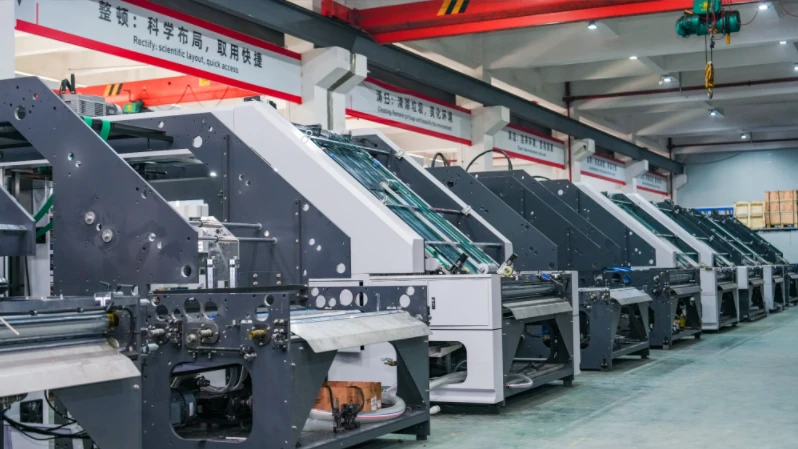
Post-press automation equipment, such as stripping machines and die-cutting systems, helps printing companies reduce manual labor and improve production stability.
Automotive Manufacturing
Robotic arms and automated assembly lines are commonly used in automotive factories to improve precision and maintain consistent product quality.
Essential Features of Modern Industrial Equipment
When selecting industrial machinery, manufacturers typically focus on several important factors:
- Production stability
- Energy efficiency
- Easy maintenance
- Intelligent control systems
- Long service life
- Safety protection functions
Reliable equipment not only improves productivity but also reduces long-term maintenance costs.
The Role of Digital Transformation
Digital transformation is becoming a critical strategy for manufacturers worldwide. Companies are adopting ERP systems, cloud-based monitoring platforms, and data analysis tools to optimize production management.
Important Digital Trends
1. Smart Factory Systems
Factories can now monitor equipment performance in real time and quickly identify production bottlenecks.
2. Remote Equipment Management
Engineers can access production data remotely, improving response times and operational flexibility.
3. Predictive Maintenance
AI-driven systems can analyze machine performance and predict maintenance needs before breakdowns occur.
How Companies Can Stay Competitive
To remain competitive in the global market, manufacturers should:
- Invest in automation technology
- Continuously optimize production processes
- Improve product quality standards
- Strengthen technical innovation capabilities
- Build flexible and scalable production systems
Long-term success depends on the ability to adapt quickly to changing market demands and technological advancements.
Conclusion
Industrial automation is shaping the future of global manufacturing. Companies that embrace intelligent production technologies can improve efficiency, reduce costs, and strengthen their competitive advantage in international markets.
As industries continue moving toward digitalization and smart manufacturing, automation solutions will play an increasingly important role in driving sustainable business growth and operational excellence.